Why Real-Time Financial Visibility Matters For Growing Businesses
As businesses grow, financial information often becomes increasingly important operationally.
What may once have been manageable through spreadsheets, folders, paper records, or occasional bookkeeping reviews can gradually become more difficult to oversee consistently as staffing grows, operational complexity increases, and day-to-day decision-making accelerates.
Increasingly, businesses are recognising that operational visibility matters just as much as compliance itself.
Clearer access to financial information, payroll data, reporting, invoices, and business performance can help reduce operational pressure, improve communication, and support calmer day-to-day business management overall.
Cloud Accounting & Operational Visibility
One of the reasons many businesses now move towards cloud-based accounting software is not simply convenience, but operational visibility.
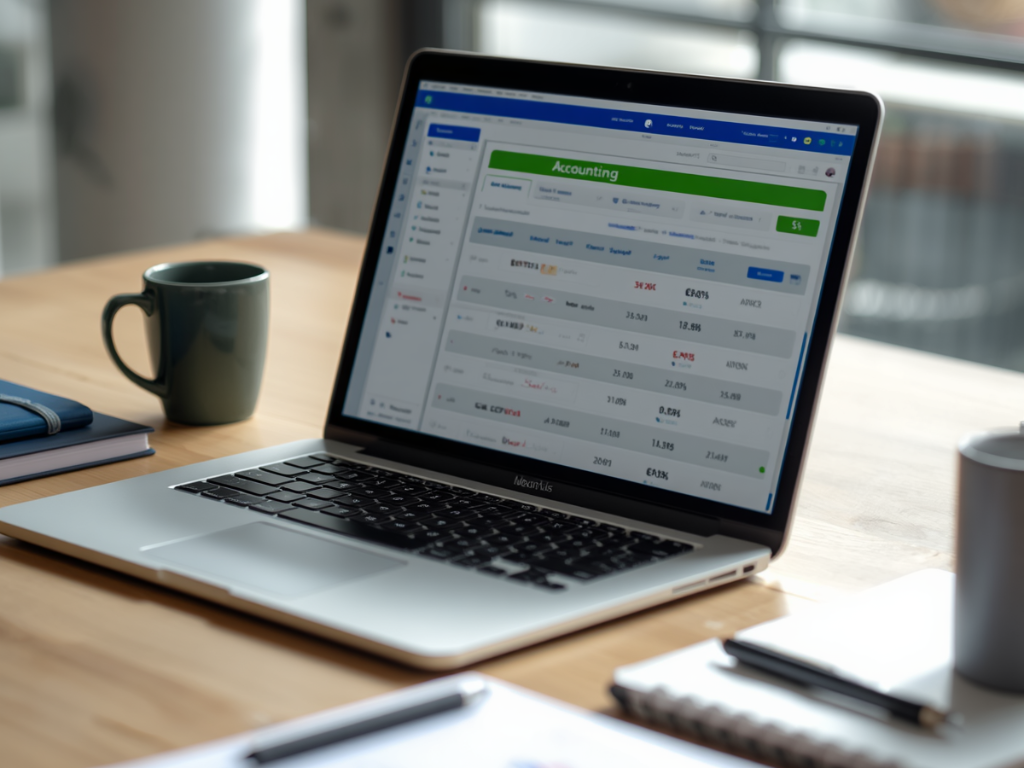
Platforms such as Xero can help businesses access financial information more easily, collaborate more effectively with bookkeepers or accountants, and reduce some of the fragmentation that often develops as businesses grow operationally.
For many businesses, this can create:
clearer financial visibility
smoother workflows
improved document organisation
faster communication
and more efficient day-to-day operational processes overall.
Importantly, the value often comes not only from the software itself, but from how the software supports wider operational organisation across the business.
Operational Efficiency Matters
As operational pressure increases, businesses often benefit from systems that allow information to move more clearly between managers, bookkeepers, payroll providers, accountants, and operational teams.
This is particularly important where businesses are managing:
multiple staff members
payroll workflows
supplier invoices
reporting deadlines
operational approvals
or growing administrative responsibilities.
Financial visibility is no longer simply about producing accounts at year end.
Increasingly, it forms part of wider operational decision-making and day-to-day business organisation behind the scenes.
The Direction Of Business Systems Is Changing
Alongside wider operational pressures, businesses are also navigating a significant shift in how financial information is managed operationally.
With Making Tax Digital continuing to expand and AI-driven bookkeeping and reporting tools becoming increasingly common, businesses are gradually moving towards more connected, digital, and real-time financial systems.
For many businesses, this is no longer simply about “going paperless” or adopting new software for the sake of it.
Increasingly, it is about improving operational visibility, reducing fragmentation, simplifying reporting processes, and creating smoother day-to-day workflows across the business overall.
Cloud-based accounting systems can often support this transition by helping businesses access information more easily, collaborate more effectively, and respond more quickly to operational and financial pressures as they arise.
Importantly, however, software alone is rarely the full solution.
Operational clarity still depends on:
communication
consistent workflows
organised processes
and systems that genuinely suit how the business itself operates day to day.
There Is No “One Size Fits All”
While we often recommend Xero because many businesses find it intuitive, collaborative, and operationally straightforward to use, every business operates differently.
Different industries, staffing structures, operational workflows, and reporting needs may suit different systems and software platforms.
The most important factor is rarely choosing the “perfect” software.
More often, the focus should be on choosing systems and processes that:
improve operational visibility
reduce unnecessary complexity
support smoother workflows
and help businesses operate more consistently overall.
Conclusion
As businesses continue navigating increasing operational complexity, clearer financial visibility and smoother operational workflows are becoming increasingly valuable.
Cloud accounting software alone will not solve every operational challenge.
But when combined with clearer processes, stronger communication, and practical operational organisation, the right systems can often help businesses reduce pressure, improve visibility, and create calmer day-to-day operations behind the scenes.
Disclaimer
This article is intended for general informational purposes only and does not constitute financial, accounting, tax, software, or business advice. Every business operates differently and should seek professional advice appropriate to its own operational and financial circumstances before implementing new systems or processes.
References to specific software platforms are provided for general informational purposes only. Other accounting software solutions are available, and businesses should choose systems that best support their own operational workflows, reporting requirements, and business efficiencies.